From CMS.gov
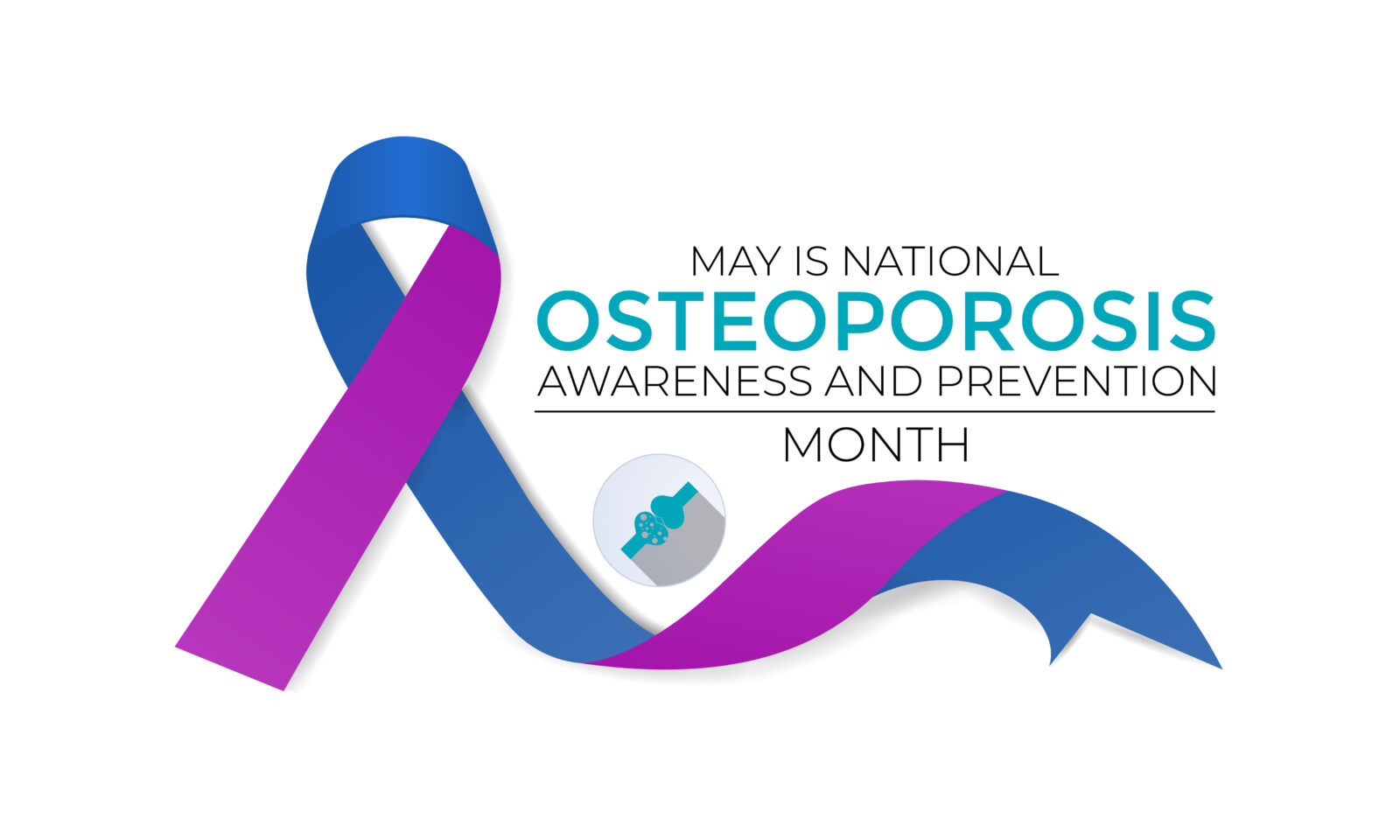
Osteoporosis is common, serious, and costly—and it can lead to an increased risk of bone fractures, typically in the wrist, hip, and spine. Often called a silent disease because bone loss occurs without symptoms, people may not know that they have osteoporosis until their bones become so weak that a sudden bump or fall causes a fracture. Please join with CMS in continuing to honor women this month by helping to raise awareness of osteoporosis and the importance of prevention and early detection in combating this disease.
Did You Know?
- About 10 million Americans have osteoporosis, and about 34 million more are at risk.
- One out of every 2 women and 1 in 4 men aged 50 and older will have an osteoporosis-related fracture in their lifetime.
- Twenty-four percent of hip fracture patients age 50 and older die in the year following their fracture.
While men and women of all ages and ethnicities can develop osteoporosis, certain risk factors are linked to the development of osteoporosis and contribute to an individual’s likelihood of developing the disease.
- Gender – Women have a greater chance of developing osteoporosis due to less bone tissue and changes that occur due to menopause.
- Ethnicity – Caucasian and Asian women are at highest risk. African American and Hispanic women have lower but significant risk.
- Age – Older adults have greater risk of osteoporosis because bones become thinner and weaker with age.
- Body size – Small, thin-boned women are at greater risk.
- Diet – An inadequate intake of calcium and vitamin D over a lifetime makes an individual more prone to bone loss and contributes to the development of osteoporosis.
- Lifestyle – An inactive lifestyle or extended bed rest tends to weaken bones.
- Family history – Fracture risk may be due, in part, to heredity.
- Smoking – Women who smoke have lower levels of estrogen compared with nonsmokers, often go through menopause earlier, and may also absorb less calcium from their diets.
- Medication use. Long-term use of certain medications can lead to loss of bone density and fractures.
- Alcohol –Those who drink heavily are more prone to bone loss and fracture, because of poor nutrition and increased risk of falling.
People with osteoporosis may have several risk factors, while others who develop the disease may have no known risk factors at all.
Osteoporosis is a preventable and treatable disease. Early diagnosis and treatment can reduce or prevent fractures. Medicare provides coverage of bone mass measurement for certain eligible beneficiaries. This important benefit can aid in the early detection of osteoporosis before fractures happen, provide a precursor to future fractures, and determine the rate of bone loss. Please help ensure that eligible Medicare patients utilize this benefit as it can help make a difference in the quality of their life.
Need to check up on your bone health? Schedule an appointment with one of our Orthopedic specialists by clicking here.