Sleep Center
Most people experience sleep problems from time to time, but ongoing sleep difficulties can affect your health, energy, and quality of life.
The Uintah Basin Healthcare Sleep Center provides testing and services for pediatric and adult patients to help diagnose and manage a variety of sleep disorders, including sleep apnea, narcolepsy, restless legs syndrome, insomnia, REM behavior disorders, and other sleep-related conditions.
Our Sleep Center is located inside Uintah Basin Medical Center at 250 W 300 N in Roosevelt, Utah.
Getting to the Sleep Center
-
Daytime Access: Enter through the Main Entrance and turn left past the café toward the Emergency Department. The Sleep Center is located on your left, just before entering the Emergency Department waiting room.
-
In-Lab Sleep Studies: Enter through the Emergency Department entrance and check in at the ER admitting area.
Hours & Availability
-
Overnight Sleep Studies: Sunday – Thursday, 6:30 PM – 6:30 AM
-
Reception & Scheduling: Monday – Friday, 8:00 AM – 5:00 PM
Home Sleep Test Support
Support is available during regular business hours, with additional on-call services for WatchPAT and NightOwl home sleep testing devices.
On-Call Technical Support
Our Sleep Center manager and lead technician provide additional technical support as needed.
Schedule an Appointment
To schedule with the Sleep Center, call (435) 725-REST (7378).
Sleep Services
Sleep problems can affect your health, energy and quality of life. Our Sleep Center offers a variety of in-lab and home-based testing services to help identify sleep disorders and better understand what may be happening while you sleep.
Explore our sleep services below to learn more about the different types of testing we offer.
In-Lab Overnight Studies
Diagnostic Sleep Study (DPSG: Diagnostic Polysomnography)
A diagnostic sleep study, also called a polysomnogram or PSG, records several body functions while you sleep. It can help evaluate sleep apnea, abnormal breathing patterns, oxygen changes, limb movements, abnormal heart rhythms and other suspected sleep disorders.
During the study, we may monitor:
- Brain activity and sleep stages
- Eye movements
- Heart rate and rhythm
- Breathing and airflow
- Oxygen levels
- Chest and abdominal breathing effort
- Leg movements
- Body position
- Snoring
PAP Titration Study (TPSG: Titration Polysomnography)
A PAP titration study helps determine the appropriate positive airway pressure settings needed to control sleep-related breathing problems.
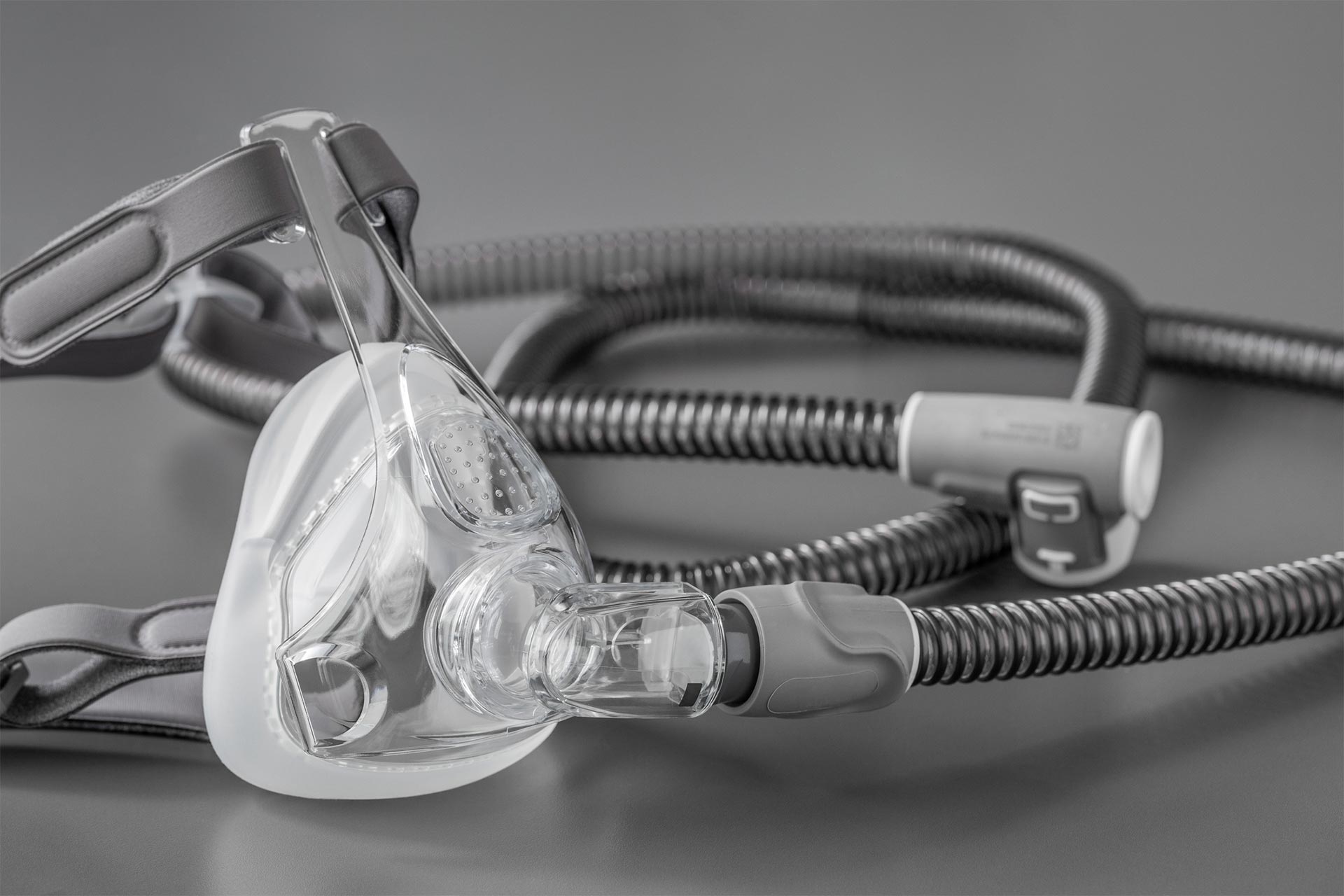
During the study, you will wear a PAP mask while a sleep technologist monitors your breathing and adjusts the pressure as needed throughout the night.
Split Night Studies (Combined DPSG and TPSG)
In-Lab Daytime Studies
Multiple Sleep Latency Test (MSLT)
The Multiple Sleep Latency Test measures how easily you fall asleep during the day and can help evaluate excessive daytime sleepiness.
The test typically includes five scheduled nap opportunities about two hours apart. During each nap period, we measure how quickly you fall asleep and whether REM sleep occurs shortly after you fall asleep.
An MSLT may be used when evaluating:
- Narcolepsy
- Idiopathic hypersomnia
- Excessive daytime sleepiness
This test is usually performed after an overnight sleep study.
Maintenance of Wakefulness Test (MWT)
The Maintenance of Wakefulness Test measures your ability to remain awake in a quiet environment.
It may be used to evaluate:
- Ability to maintain wakefulness
- Residual daytime sleepiness
- Effectiveness of treatment
- Wakefulness related to certain safety-sensitive occupations or activities
A simple way to understand the difference:
MSLT: How easily do you fall asleep?
MWT: How well can you stay awake?
Home-Based Testing
Home Sleep Apnea Test (HST)
Home Sleep Apnea Testing allows you to complete sleep testing in the comfort of your own home using a small monitoring device.
Depending on the type of test, the device may monitor:
- Oxygen levels
- Pulse or heart rate
- Breathing-related signals
- Movement
- Sleep-related timing information
Home sleep testing is commonly used for appropriately selected patients who are being evaluated for obstructive sleep apnea.
Because it does not collect the same amount of information as a full in-lab sleep study, home testing may not be appropriate for every sleep concern.
Overnight Pulse Oximetry
Overnight Pulse Oximetry measures your oxygen saturation and pulse rate while you sleep.
This testing can help identify:
- Drops in oxygen levels during the night
- Possible low oxygen levels during sleep
- Changes in overnight oxygen patterns
- Whether additional evaluation may be needed
Overnight Pulse Oximetry can provide useful information about your oxygen levels during sleep, but it does not diagnose obstructive sleep apnea by itself.
Long-Term Sleep/Wake Monitoring
Actigraphy
Actigraphy uses a small wearable device, typically worn on the wrist, to monitor your sleep and wake patterns over several days or weeks.
Unlike a one-night sleep study, actigraphy helps show how your sleep patterns change over time.
It may be used to evaluate:
- Sleep and wake times
- Sleep duration
- Circadian rhythm patterns
- Irregular sleep schedules
- Delayed sleep timing
- Insufficient sleep
- Night-to-night changes in sleep
Sleep Concerns
Sleep disorders can affect your sleep quality, energy, mood, and overall health. Symptoms such as loud snoring, trouble falling or staying asleep, excessive daytime sleepiness, restless legs, or unusual behaviors during sleep may be signs of an underlying sleep condition. Our Sleep Center evaluates and treats a wide range of sleep disorders to help identify what may be disrupting your rest. Explore some of the most common sleep disorders below.
Common Sleep Disorders
Insomnia (Difficulty Sleeping, Staying Asleep)
What it is:
Insomnia is a common sleep disorder that makes it difficult to fall asleep, stay asleep, or get good-quality sleep even when you have enough time and opportunity to rest.
Common signs and symptoms:
People with insomnia may lie awake for long periods, wake frequently during the night, wake earlier than intended, or feel unrefreshed after sleeping. Poor sleep can also lead to daytime fatigue, irritability, difficulty concentrating, and decreased energy. Chronic insomnia generally means these problems occur at least three nights a week for three months or longer.
Learn more:
Insomnia information from the American Academy of Sleep Medicine (AASM)
Obstructive Sleep Apnea (OSA)
What it is:
Obstructive sleep apnea occurs when the upper airway repeatedly becomes narrowed or blocked during sleep. This can reduce or temporarily stop airflow, causing repeated interruptions in breathing and sleep.
Common signs and symptoms:
Common signs include loud or frequent snoring, pauses in breathing noticed by another person, and waking with gasping or choking. People with OSA may also experience excessive daytime sleepiness, morning headaches, dry mouth, difficulty concentrating, or waking frequently during the night. Because many symptoms happen while you are asleep, another person may notice them before you do.
Learn more:
Sleep Apnea information from the American Academy of Sleep Medicine (AASM)
Restless Legs Syndrome (RLS)
What it is:
Restless legs syndrome is a neurological condition that causes an uncomfortable or irresistible urge to move the legs. Symptoms most often appear when sitting or lying down and frequently become worse in the evening or at night.
Common signs and symptoms:
People may describe crawling, pulling, tingling, aching, itching, or other uncomfortable sensations deep in the legs. Moving, stretching, or walking often provides temporary relief. Because symptoms commonly occur around bedtime, RLS can make it difficult to fall asleep or stay asleep.
Learn more:
Restless Legs Syndrome information from the American Academy of Sleep Medicine (AASM)
Narcolepsy
What it is:
Narcolepsy is a chronic neurological disorder that affects the brain’s ability to regulate normal sleep and wake cycles.
Common signs and symptoms:
The most common symptom is excessive daytime sleepiness, which may include an overwhelming need to sleep or falling asleep unexpectedly during the day. Some people also experience sudden muscle weakness triggered by strong emotions, called cataplexy, as well as sleep paralysis, vivid dream-like experiences when falling asleep or waking, and disrupted nighttime sleep. NIH describes narcolepsy as involving periods of extreme daytime sleepiness and, in some people, muscle weakness.
Learn more:
Narcolepsy information from the American Academy of Sleep Medicine (AASM)
Circadian Rhythm Sleep-Wake Disorders
What it is:
Circadian rhythm disorders occur when your body’s internal 24-hour sleep-wake clock is out of sync with the schedule required by your daily life or environment.
Common signs and symptoms:
People may have difficulty falling asleep at the time they want, trouble waking when needed, excessive daytime sleepiness, fatigue, or difficulty concentrating. Examples include delayed sleep-wake phase disorder, advanced sleep-wake phase disorder, shift work disorder, and sleep problems related to jet lag.
Learn more:
Circadian Rhythm Disorders information from the American Academy of Sleep Medicine (AASM)
Parasomnias
What it is:
Parasomnias are unusual behaviors, movements, experiences, or events that occur while falling asleep, during sleep, or while waking up.
Common signs and symptoms:
Parasomnias can include sleepwalking, sleep talking, night terrors, confusional arousals, sleep paralysis, and REM sleep behavior disorder. In REM sleep behavior disorder, a person may physically move or act out their dreams instead of remaining relatively still during REM sleep.
Some parasomnias are relatively common, especially in children, while frequent, disruptive, or potentially dangerous episodes may need further evaluation.
Learn more:
Sleep Disorders information from American Academy of Sleep Medicine (AASM)
Sleep problems can appear in many different ways, from difficulty falling asleep to feeling exhausted throughout the day. While occasional sleep disturbances are normal, ongoing symptoms may indicate an underlying sleep disorder.
Explore some of the most common sleep concerns below to better understand what to watch for and when it may be time to seek help.
Common Sleep Concerns
Trouble Falling or Staying Asleep
What it is:
Difficulty falling asleep, staying asleep, or waking up earlier than intended can prevent you from getting the restorative sleep your body needs. When these issues occur regularly, they may be signs of insomnia or another sleep-related condition.
Common signs and symptoms:
-
Difficulty falling asleep: Regularly taking more than 30 minutes to fall asleep.
-
Frequent nighttime waking: Waking up throughout the night and struggling to fall back asleep.
-
Early morning awakening: Waking up earlier than intended and being unable to return to sleep.
Breathing Changes During Sleep
What it is:
Changes in breathing during sleep can disrupt your rest and affect your overall health. Symptoms such as loud snoring, gasping, or pauses in breathing may indicate a sleep-related breathing disorder, including obstructive sleep apnea.
Common signs and symptoms:
-
Loud snoring: Frequent or disruptive snoring that may disturb a bed partner.
-
Gasping or choking: Waking suddenly with a snorting, gasping, or choking sound.
-
Breathing pauses: Brief periods when breathing stops during sleep, often noticed by a bed partner.
Daytime Tiredness Effects
What it is:
Poor sleep quality can affect how you feel and function throughout the day. Even after spending enough time in bed, you may experience persistent tiredness, difficulty concentrating, or changes in your mood. These symptoms can be associated with a variety of sleep disorders.
Common signs and symptoms:
-
Excessive daytime sleepiness: Feeling overwhelmingly tired or falling asleep at inappropriate times, such as while working, watching television, or driving.
-
Waking up unrefreshed: Feeling exhausted or unrested despite getting what seems like a full night’s sleep.
-
Mood and concentration changes: Experiencing irritability, fatigue, difficulty focusing, or problems with memory.
Physical Sensations and Movements
What it is:
Uncomfortable sensations or involuntary movements during sleep can make it difficult to fall asleep or stay asleep. These symptoms may be associated with conditions such as restless legs syndrome, periodic limb movement disorder, or sleep-related bruxism.
Common signs and symptoms:
-
Leg discomfort: Experiencing tingling, crawling, or uncomfortable sensations in the legs that create an urge to move, especially while resting or trying to fall asleep.
-
Limb movements: Repeated twitching, kicking, or jerking of the arms or legs during sleep.
-
Teeth grinding: Clenching or grinding the teeth during sleep, sometimes causing jaw discomfort, headaches, or dental problems.
Unusual Behaviors During Sleep (Parasomnias)
What it is:
Parasomnias involve unusual behaviors, movements, or experiences that occur while falling asleep, during sleep, or while waking up. These episodes may disrupt sleep and, in some cases, create safety concerns for the individual or others nearby.
Common signs and symptoms:
-
Acting out dreams: Talking, shouting, punching, kicking, or making sudden movements during sleep, sometimes associated with REM sleep behavior disorder.
-
Sleepwalking or talking: Walking, speaking, or performing activities such as eating while partially or fully asleep, often without remembering the event afterward.
Parasomnias
What it is:
Parasomnias are unusual behaviors, movements, experiences, or events that occur while falling asleep, during sleep, or while waking up.
Common signs and symptoms:
Parasomnias can include sleepwalking, sleep talking, night terrors, confusional arousals, sleep paralysis, and REM sleep behavior disorder. In REM sleep behavior disorder, a person may physically move or act out their dreams instead of remaining relatively still during REM sleep.
Some parasomnias are relatively common, especially in children, while frequent, disruptive, or potentially dangerous episodes may need further evaluation.
Learn more:
Sleep Disorders information from MedlinePlus, U.S. National Library of Medicine
Meet our Team
Our dedicated Sleep Center team is committed to helping you achieve better sleep and better health. From our experienced providers and sleep technologists to our friendly support staff, we’re here to provide personalized, compassionate care every step of the way.
Get to know the people helping our community rest easier!

Matt McKee, DO - Medical Director
Dr. Matthew McKee is a Uintah Basin native who grew up in Tridell and graduated from Union High School... [read more]
Dr. Matthew McKee is a Uintah Basin native who grew up in Tridell and graduated from Union High School. Outside of professionally watching people sleep for a living, he enjoys cheering on the Utah Jazz during basketball season and the Atlanta Braves during baseball season.
As a family medicine provider, Dr. McKee sees firsthand how poor sleep can affect so many aspects of a person’s health. He chose to pursue sleep medicine because improving sleep is one of the few areas of family medicine where treatment can have such an immediate and meaningful impact on a patient’s quality of life.
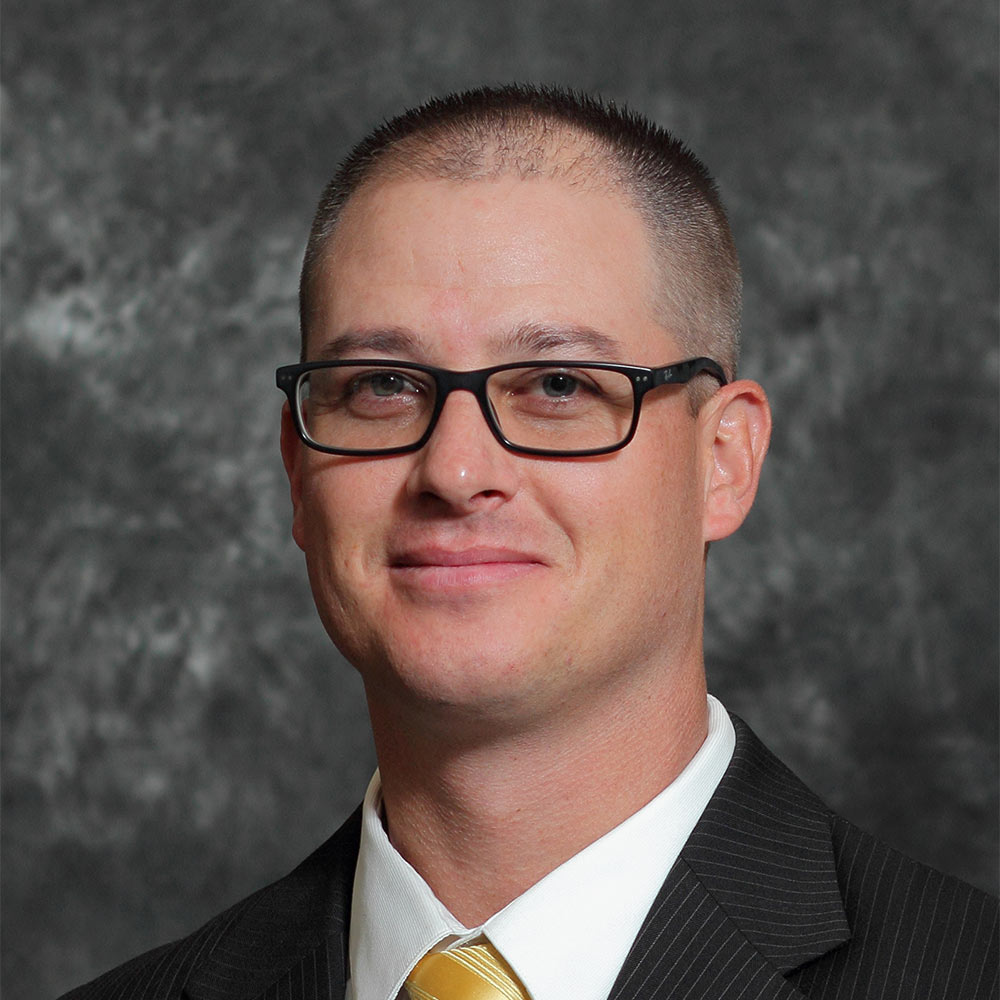
Curtis Carter, PA-C
Curtis Carter lives in Altamont, Utah, where he enjoys the country lifestyle and the close-knit community of the Uintah Basin... [read more]
Curtis Carter lives in Altamont, Utah, where he enjoys the country lifestyle and the close-knit community of the Uintah Basin. A country boy at heart, Curtis appreciates the simple things in life and the rural way of living.
Curtis is a certified physician assistant who provides care in family medicine, internal medicine, pediatrics, and sleep medicine. He practices in both Roosevelt and Altamont, helping patients throughout the community improve their health and overall quality of life.

Tjay Woffinden, RPSGT - Sleep Manager
Tjay grew up along the Wasatch Front and made the Uintah Basin his home in 2011... [read more]
Tjay grew up along the Wasatch Front and made the Uintah Basin his home in 2011. He is the proud parent of three wonderful children and enjoys camping, hiking, and spending time outdoors.
His journey into sleep medicine began around 2008, when he quickly discovered how rewarding it was to make a meaningful difference in people’s lives through better sleep. Today, he serves as the Sleep Lab Manager and a Registered Polysomnographic Technologist (RPSGT). He is passionate about helping members of our community improve their sleep, overall health, and quality of life.

Cole Swasey, RPSGT - Sleep Technician
Cole grew up in Duchesne and served a church mission in Ghana, West Africa... [read more]
Cole grew up in Duchesne and served a church mission in Ghana, West Africa. After spending a year living in Utah Valley, Cole and his wife returned to the Uintah Basin to start their family. He has been part of the Sleep Lab team since March 2022.
Outside of work, Cole enjoys spending time with his children, watching movies of all kinds, and relaxing while camping in the mountains.

Savanna Swayze, CPSGT - Sleep Technician
Savanna enjoys spending time with her husband, their two-year-old son, and their two dachshunds... [read more]
Savanna enjoys spending time with her husband, their two-year-old son, and their two dachshunds. In her free time, she loves playing board games, Dungeons & Dragons, and watching anime.
Her interest in sleep medicine began with a curiosity about insomnia and narcolepsy, which led her to explore other conditions and processes that occur during sleep. Since joining the Sleep Center, she has enjoyed expanding her knowledge and gaining hands-on experience in the field.
As a Certified Polysomnographic Technician (CPSGT), Savanna finds it rewarding to know she is making a difference in her patients’ sleep and overall well-being. She hopes to become a Registered Polysomnographic Technologist (RPSGT) in the near future. She especially enjoys meeting people from all walks of life, learning new things, and helping patients along the way.

Lara Baker - Sleep Technician Trainee
Lara loves staying active and spending time outdoors. Some of her favorite activities include playing sports, running, and hiking... [read more]
Lara loves staying active and spending time outdoors. Some of her favorite activities include playing sports, running, and hiking. She and her husband have been married for 11 years and are the proud parents of three wonderful children.
From a young age, Lara knew she wanted to pursue a career in healthcare. After moving to the Uintah Basin, she decided to apply for a position at the Sleep Lab on a whim. Nearly 10 years later, sleep medicine has become a field she finds incredibly interesting and rewarding.
One of Lara’s favorite parts of her job is working one-on-one with patients, hearing their stories, and getting to know them personally. She loves being able to play a role in helping patients improve their sleep, feel their best, and enjoy a better quality of life.

Merilee Zufelt, Sleep Patient Navigator
Merilee serves as a Sleep Patient Navigator... [read more]
Merilee serves as a Sleep Patient Navigator.
Family is a huge part of Merilee’s life. She has three wonderful children, including an oldest child who is married and has blessed her with two precious grandsons whom she loves to spoil. Merilee is happily married to a wonderful, patient, and supportive husband. While they might otherwise be considered empty nesters, their large cat, Bobby, keeps them company and is every bit as spoiled as their grandchildren!
In her spare time, Merilee enjoys family gatherings, game nights, and potluck dinners. She also loves sewing, crafting, making wreaths, and doing a little woodworking. Staying active is important to her, and she especially enjoys working out and hiking trails in the mountains or anywhere outdoors.

Mandy Jessop Arrowchis, Sleep Patient Navigator
Mandy plays an important role in keeping the Sleep Center organized and running smoothly... [read more]
Mandy plays an important role in keeping the Sleep Center organized and running smoothly. Her responsibilities include scheduling appointments, coordinating overnight pulse oximetry and NightOwl studies, and assisting with outside referrals.
She strives to ensure that patients receive the care they need while making the scheduling and referral process as smooth and efficient as possible. Mandy takes pride in helping patients navigate their care and supporting the Sleep Center team.

Jacq McKee, Sleep Patient Navigator
Jacqueline is a busy mom of three who homeschools her children while balancing coaching youth soccer and volleyball, serving on the youth soccer board, and working as a sleep patient navigator... [read more]
Jacqueline is a busy mom of three who homeschools her children while balancing coaching youth soccer and volleyball, serving on the youth soccer board, and working as a Sleep Patient Navigator.
When she’s not cheering from the sidelines or managing her family’s busy schedule, you can usually find her with a Coke Zero and her laptop, planning their next vacation!
Her husband is the reason she found her way into sleep medicine, and she has developed a genuine passion for helping patients feel better and improve their quality of life. One of her favorite parts of the job is working directly with sleep patients, whom she considers some of the best people you’ll ever meet!
What to Expect During Your Sleep Study
Preparing for your sleep study is an important step in helping our team gather accurate information about your sleep health. At Uintah Basin Healthcare’s Sleep Center, we want you to feel comfortable, informed, and prepared for your visit.
Watch the video below to learn more about what to expect during your sleep study, and review these helpful guidelines before your appointment.
Preparing for Your Appointment
-
Arrival and Check-In: Please check in at the Emergency Department entrance, located on the west side of the building.
-
Shower Before Your Study: Shower using antibacterial soap before your appointment. Please arrive with clean, dry hair that is free of styling products, as these can interfere with the sensors used during your study.
-
Wear Comfortable Clothing: Bring or wear two-piece sleepwear, such as a T-shirt with shorts or pajama pants, to ensure your comfort throughout the night.
-
Bring Your Nighttime Medications: If you take medications at night, please bring them with you. Do not take them until your sleep technician instructs you to do so.
-
Bring Comfort Items: We encourage you to bring anything that will help you feel more at home, such as your favorite pillow, blanket, or a book. This is especially helpful if you are scheduled for a Multiple Sleep Latency Test (MSLT), which involves an extended stay.
-
Visitors and Caregivers: Family members may stay overnight only when special arrangements have been approved by your physician. Patients with disabilities or who are at risk of falling must have a caregiver present.
-
Facial Hair Considerations: If you are scheduled for a PAP titration study, you may be asked to be clean-shaven, particularly around the chin, to help ensure a proper mask seal and accurate results.
-
Special Accommodations: If you have any special needs or concerns during your study, please let your sleep technician know. Our goal is to make your experience as comfortable as possible.
Questions? We’re Here to Help!
If you have questions about your sleep study or need additional information before your appointment, please contact our Sleep Center team at 435-725-REST (7378).
Patient Forms
To help make your visit to the Uintah Basin HealthCare Sleep Center as smooth and convenient as possible, we’ve provided important patient forms below. Completing these forms before your appointment allows our team to better understand your sleep concerns and prepare for your visit.
Please Note: If you have already received and completed the following forms, you do not need to complete them again.
If you have questions or need assistance, our team is happy to help!
Patient Education
Better sleep starts with understanding your sleep health. Explore our patient education resources to learn more about common sleep disorders, healthy sleep habits, and how sleep affects your overall well-being.
Select a topic below to view a helpful educational brochure.
Drowsy Driving
Learn about the dangers of driving while sleepy and the importance of staying alert behind the wheel.
Insomnia
Explore common causes of difficulty falling or staying asleep and ways to improve your rest.
Narcolepsy
Learn about this neurological sleep disorder and how it can affect daytime alertness.
Parasomnia
Discover more about unusual behaviors and experiences that can occur during sleep.
Restless Legs Syndrome
Understand the uncomfortable sensations and urge to move that can interfere with sleep.
Sleep & Your Health
Discover how quality sleep supports your physical health, mental well-being, and daily life.
Snoring & Sleep
Learn why snoring happens and when it may be a sign of an underlying sleep condition.
Your Sleep Schedule
Explore the importance of consistent sleep routines and healthy sleeping habits.