From American Academy of Dermatology Association | www.aad.org
Everybody needs good skin care — from newborns to people more than 100 years old. That’s why National Healthy Skin Month is everyone’s awareness month.
To help you keep your skin looking its best, this November, the AAD offers dermatologists’ insight for a lifetime of proper skin care.
How to take care of your skin for life
Our skin changes throughout life. As our skin changes, so should our skin care. To help you care for your skin and that of your family’s at each stage of life, we’re sharing these tips from board-certified dermatologists.
Baby skin care
A baby’s delicate skin requires proper care. These dermatologists’ tips include easy-to-follow information on bathing, diaper changes, and sun protection.
In your teens
Skin naturally becomes oilier. The right skin care routine can help reduce shine and breakouts. Here are tips that dermatologists recommend.
In your 20s
This is an ideal time to think more about your skin care, and make any changes needed to keep your skin looking its best for years to come.
Pregnancy skin care
Dermatologists say the best pregnancy skin care routine is a simple one. Here you’ll find the routine dermatologists recommend and skin care ingredients to avoid.
Antiaging skin care
Beginning in our 30s, our complexion starts to lose some of its youthfulness. As signs of aging become visible, many consider antiaging skin care. To help patients get their best results from products and cosmetic treatments, dermatologists offer these tips.
In menopause
Noticeable changes to your skin and hair often occur during menopause. With the right care, you can lessen these effects.
In your 60s and 70s
At this time in our life, skin can feel dry and irritated. The right skin care can improve how your skin feels — and looks.
Sun protection necessary for healthy skin at every age
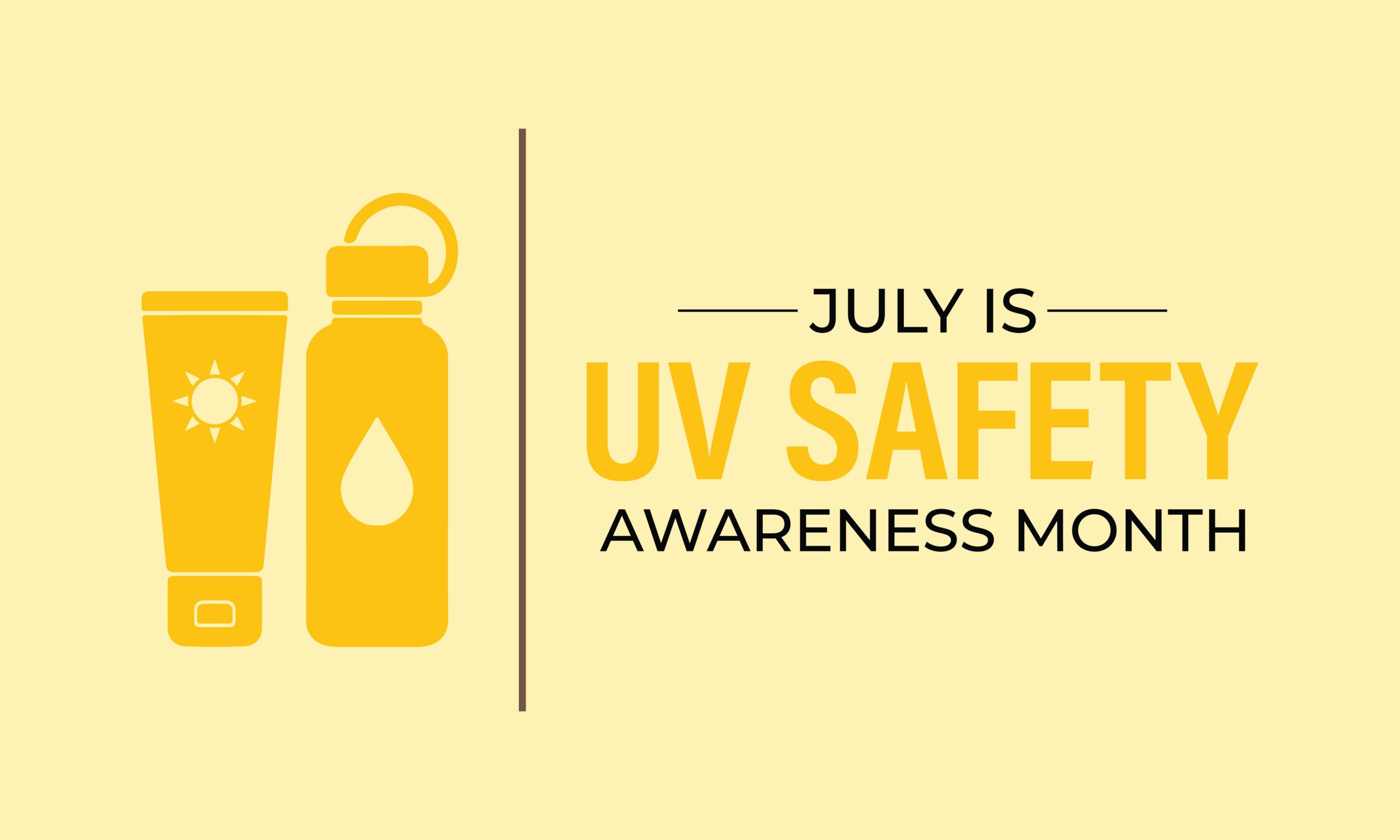
Lifelong sun protection can prevent early signs of skin aging, sunburn, and skin cancer. If you have a darker skin tone, sun protection can also help prevent dark spots on your skin.
To get the protection you need, dermatologists recommend that you:
Seek shade.
Wear sun-protective clothing.
Apply sunscreen with broad-spectrum protection, water resistance, and SPF 30 or higher. If you have a darker skin tone, your sunscreen should also be tinted. Tinted sunscreen contains iron oxide, which research shows helps protect against dark spots and other unwanted effects.
Sunscreen and babies: Sun protection is necessary at every age. Dermatologists recommend that you protect babies with shade and clothing, adding sunscreen only when a child is 6 months or older. For children younger than 6 months, sunscreen should only be used when shade and adequate clothing are not available.
At Uintah Basin Healthcare, we have an amazing team of board-certified dermatologist. Click here to learn about our wonderful dermatology team!